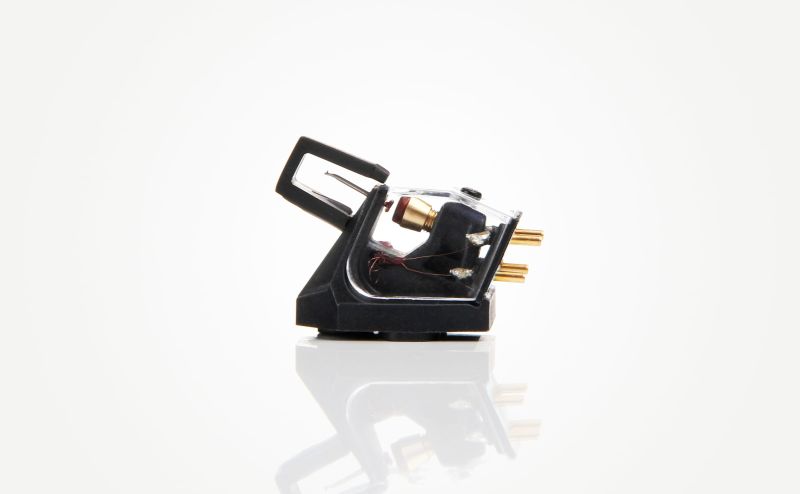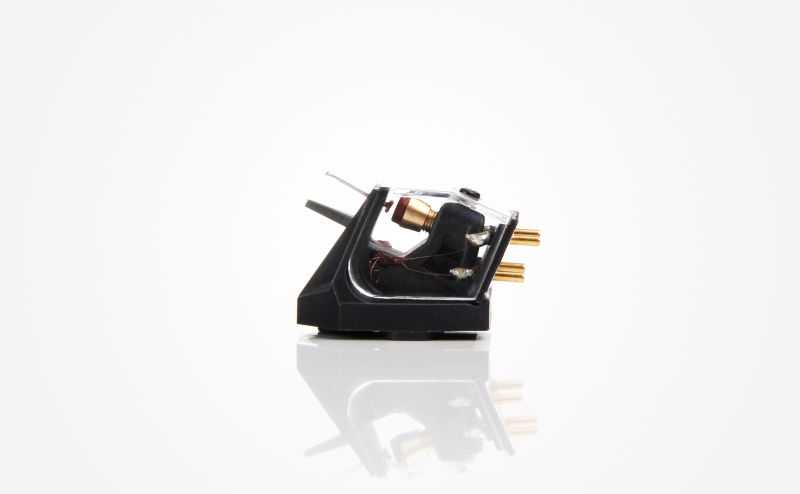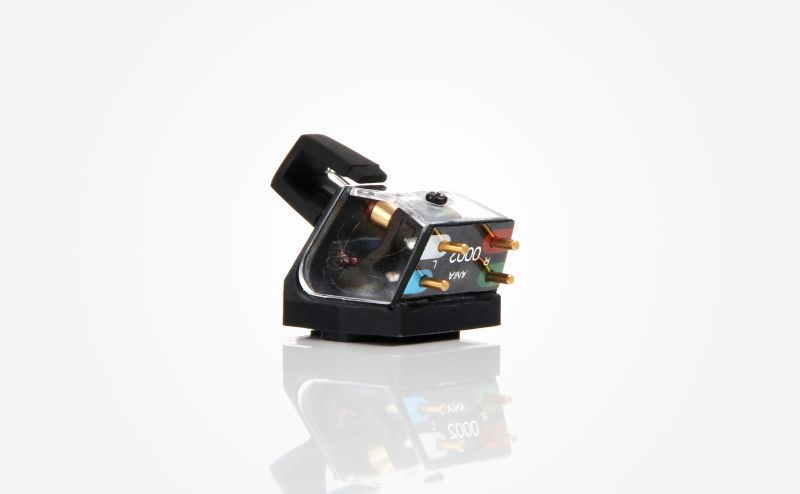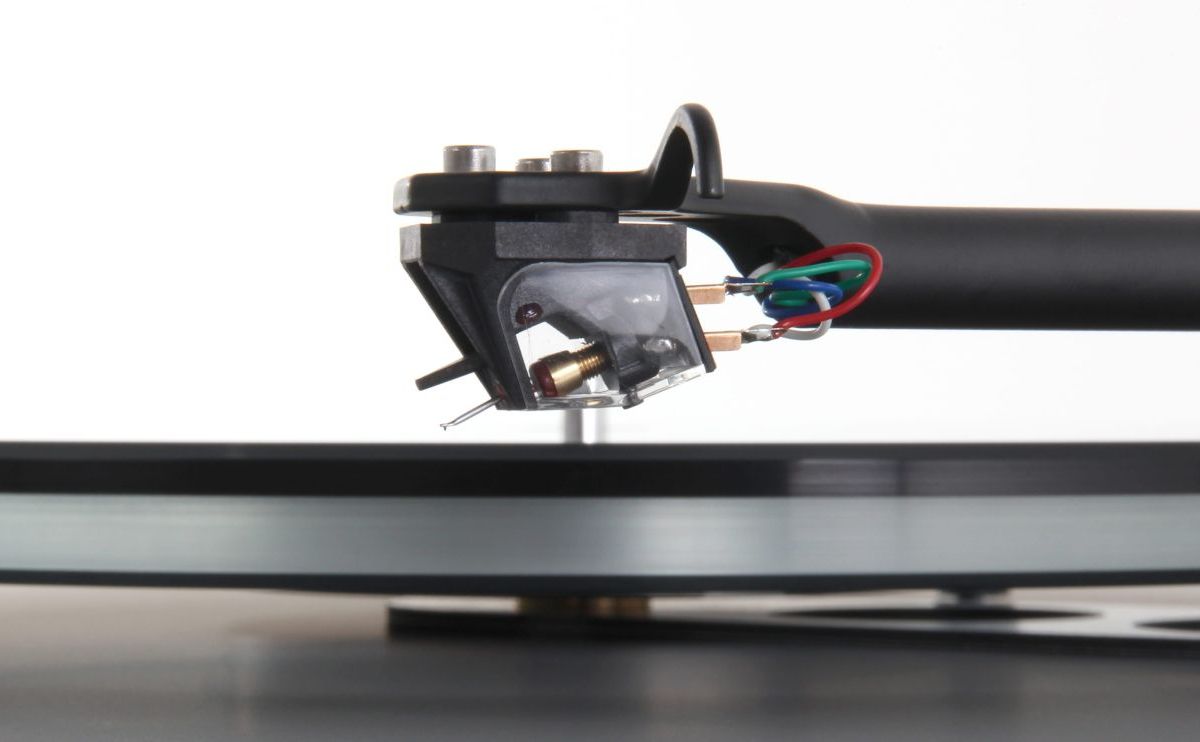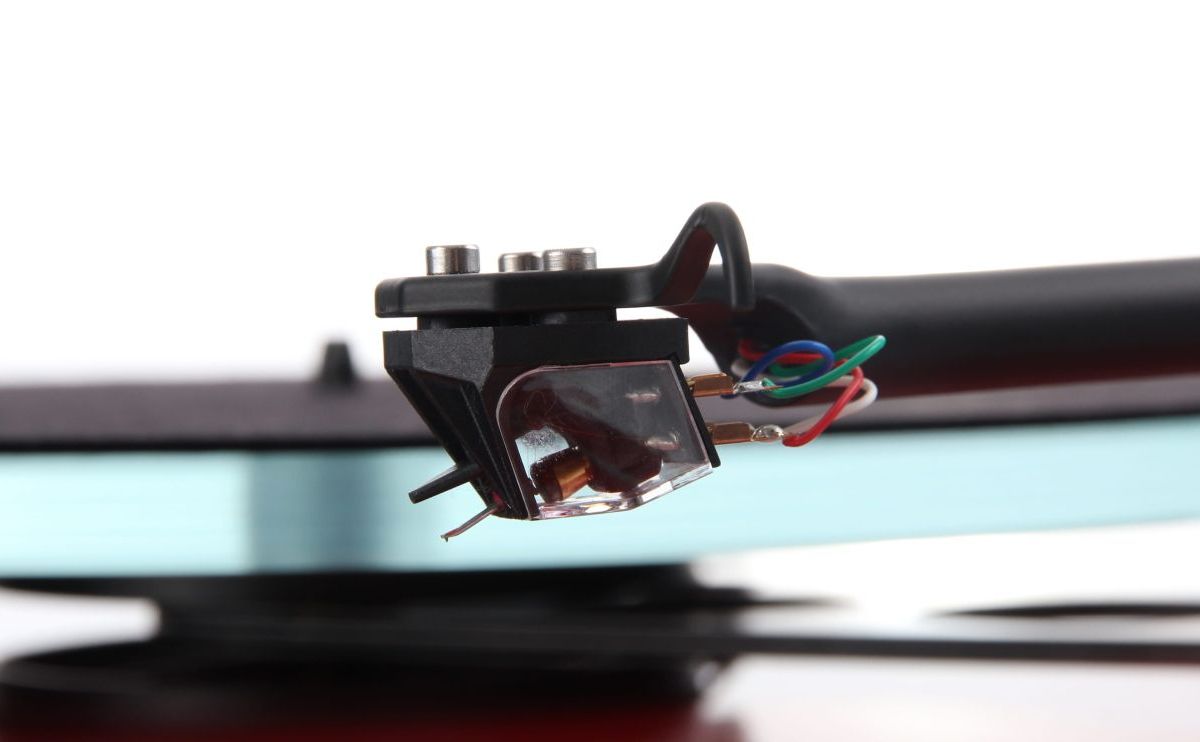

Rega had a problem with moving-coil cartridges long before it had an answer. The format's advantage is obvious on paper: a coil small enough and light enough to follow a groove faster than any magnet-based design can manage. Its disadvantage is just as obvious in practice. Everything that makes the generator quick also makes it fragile, and the tiny voltages it produces are swamped by any movement that is not the record's. A moving coil is only ever as steady as what holds it.
The Ania is where Rega's answer became affordable. It borrows the generator thinking from the Apheta and Aphelion above it - the same complex hand-wound micro coil, wound onto an iron micro cross so small that the whole assembly can be thrown around by the groove rather than dragging behind it, driven by a super high-powered neodymium magnet. What it does not borrow is the price of the bodies those cartridges wear.
Instead the Ania is built into polyphenylene sulphide - PPS-Fortron, with 40% glass content. Rega chose it for two properties that matter more than glamour: hardness, and dimensional stability. A body that flexes turns the groove's information into a smear; a body that changes shape with temperature or humidity quietly moves the stylus away from where it was set. PPS does neither. The catch is that a material that hard is difficult to mould accurately, and accuracy is the entire point - so Rega spent a year developing the injection mould tool alone, before a single cartridge existed. Stainless steel inserts take the fixing bolts, so the threads do not wear into the body over a lifetime of arm changes, and Rega's three-point fixing locates the cartridge to the arm on a defined plane rather than letting two bolts and a guess decide the alignment.